Peritoneal Dialysis Catheters (PDCs) are pretty essential when it comes to helping people withend-stage renal disease (ESRD) get the treatment they need. And with ESRD cases expected to jump by around 17% by 2030, according to the Global Burden of Disease Study, the demand for reliable PDCs is more urgent than ever. At Tianck Medical Co., Ltd., we're all about pushing the boundaries to improve patient care. We develop precision-engineered PDCs that aim to make peritoneal dialysis safer and more effective. We know that complications like infections and catheter problems can really impact patients’ lives, so our products are designed to tackle these issues head-on and help improve outcomes. As healthcare keeps changing and evolving, we’re committed to meeting the needs of both healthcare professionals and patients around the world, making high-quality dialysis solutions accessible to everyone.
Understanding the Basics of Peritoneal Dialysis Catheters for Patients
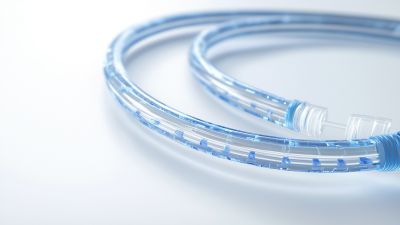
Peritoneal dialysis (PD) catheters are pretty important when it comes to managing folks with end-stage renal disease. Basically, these are special tubes inserted into your belly that let you do dialysis at home—making things a lot easier. If you're a patient, it’s really helpful to get the basics about these catheters; knowing how they work can actually empower you to be more involved in your own treatment. So, the catheter’s job is to provide a pathway for fluid to go in and out of your abdomen, helping get rid of toxins and excess fluids—that’s the core of how it works.
One of the best things about Pd Catheters? They’re pretty simple and convenient. Unlike hemodialysis, which means clinic visits several times a week, PD can often be done right at home. That means more flexibility in your daily routine.With the right training, either you or a loved one can manage the whole process, which cuts down on how often you need to see the doctor. Plus, putting in a PD catheter is usually quicker and less invasive than other options, so for many folks, it’s a much more appealing choice. It’s also super important to learn how to care for and maintain your catheter properly—this helps avoid complications and makes sure everything runs smoothly. All in all, understanding these little details can really make a difference in your quality of life.
Key Advantages of Peritoneal Dialysis Catheters in Chronic Kidney Care
Peritoneal dialysis (PD) catheters are pretty important when it comes to managing chronic kidney disease, and they really offer some great perks that make a difference for patients. One of the biggest pluses is how flexible they make the treatment—unlike traditional hemodialysis, which usually means lots of trips to the hospital, PD can be done right at home. That means folks can keep living life more normally while keeping their condition in check.
Of course, it’s super important for patients to get proper training on how to use their PD catheter properly. Regular check-ins with their healthcare team can really help catch any issues early, so infections or other problems don’t become a big deal.
Another thing I want to mention is that PD catheters are less invasive than some other dialysis options. They tend to have fewer complications and often mean shorter hospital stays, which is a big comfort booster. On top of that, being able to do dialysis at home lets patients stay more active in their daily routines and can really help with mental and emotional wellbeing as they go through treatment.
A little tip for everyone: taking good care of your catheter and keeping the insertion site clean is crucial. Following the guidelines and practicing good hygiene can help prevent infections and keep the catheter working smoothly, making the whole dialysis process a lot easier and less stressful.
Choosing the Right Peritoneal Dialysis Catheter: A Patient’s Guide
When it comes to peritoneal dialysis, picking the right catheter really matters—it's a big deal for keeping patients comfortable and ensuring things go smoothly in the long run. I’ve come across a study from the Journal of the American Society of Nephrology that basically says not all catheters are created equal. The type you choose can influence how often complications pop up. For example, multisite catheters, which let you drain and infuse fluids more easily, seem to cut down infection risks by about 30% compared to the traditional single-site kinds. That's a pretty significant difference, right?
Plus, how long a catheter lasts and how well it functions makes a huge difference for a patient's day-to-day life. Ideally, a good catheter should work well, be kind to the body, and not trigger a lot of inflammation. The National Kidney Foundation points out that those made with hydrophilic materials tend to stay open longer and can even reduce how often patients need to come into the clinic. That’s a win in terms of making the treatment less of a hassle. Of course, it’s super important for patients to chat with their healthcare providers to figure out which type of catheter actually fits their unique needs and health situation. After all, everyone’s different, and what works for one person might not be the best for another.
Best Practices for Maintaining Peritoneal Dialysis Catheters at Home
Taking good care of your peritoneal dialysis catheter at home is really important if you want your treatment to work well and avoid any nasty complications. One simple tip is to make it a habit to clean the area around the catheter regularly and handle it carefully. Before you touch the catheter or the skin nearby, be sure to wash your hands thoroughly — it makes a big difference. Using sterile saline to gently clean the entry point can really help cut down the risk of infection. Also, don’t forget to secure the catheter with a sterile dressing, and change it regularly or whenever it gets wet or dirty to keep everything dry and clean.
Another thing to keep an eye on is any signs that something might be off. If you notice redness, swelling, or pus near the catheter site, or if there’s a change in how the dialysis fluid looks, these could be warning signs. Knowing what to watch out for actually helps you catch issues early and get help quickly if needed. Plus, keeping regular appointments with your healthcare team is super helpful—they can give you personalized advice and make sure everything’s going smoothly, which really boosts the effectiveness of your treatment and keeps you feeling confident about managing things at home.
Addressing Common Concerns About Peritoneal Dialysis Catheter Use
Peritoneal dialysis (PD) is really an important treatment option for folks with kidney failure, and choosing the right kind of catheter can make a big difference in how well patients do. A lot of worries people have about PD catheters usually involve the risk of infections, the catheter not working properly, or just feeling uncomfortable. According to the International Society for Peritoneal Dialysis, somewhere between 10% and 30% of patients run into issues with their catheters within the first year. That said, with newer designs and better techniques for inserting these catheters, those risks have really started to decline. For example, using coated catheters can cut down the chances of exit-site infections by up to 40%, which means safer treatment and fewer worries for patients.
Also, making sure patients are well-educated about how to care for their catheter makes a big difference. A study in the Journal of Renal Care found that patients who got tailored info and clear guidance felt about 25% more comfortable and confident managing their own care routine. This just goes to show that when patients are more engaged and well-informed, their experience improves — and they’re more likely to stick to their treatment plan. By combining good education with modern catheter tech, healthcare providers can really help ease some of those common fears and improve quality of life for people on peritoneal dialysis.
Understanding the Advantages of Peritoneal Dialysis Catheters for Patient Care
| Dimension | Description | Advantages |
| Catheter Types | Dacron cuff catheters, double-cuff catheters, and flex-tip catheters | Increased stability and reduced risk of infection |
| Insertion Technique | Surgical implantation or percutaneous insertion | Minimal invasion leads to quicker recovery |
| Maintenance | Requires weekly dressing changes and patient education | Empowers patients with hands-on care |
| Complication Rates | Infection, obstruction, or catheter migration | With proper care, these rates are significantly reduced |
| Patient Satisfaction | Overall quality of life and self-management | High satisfaction due to independence and comfort |
Innovations and Future Developments in Peritoneal Dialysis Catheter Technology
Hey, have you heard about the latest innovations in peritoneal dialysis catheters? They're really changing the game when it comes to patient care, especially since the dialysis market is booming—expect it to hit around $198 billion by 2033, growing at about 5.5% each year. As this industry keeps evolving, we're seeing new designs and materials that make catheter use safer and more effective. One of the cool focuses lately is on reducing infection risks, like peritonitis, with smart monitoring and detection tech. Companies like Tianck Medical are leading the charge here, coming up with precision-engineered products that really meet the needs of both healthcare providers and patients.
And it's not just about safety—studies suggest that these new catheter tech bits can seriously improve the whole patient experience. For example, recent upgrades in the mechanics and materials of catheters make them more compatible with the body, which means fewer complications. This is a big deal, especially considering the goal of the Advancing American Kidney Health initiative—by 2025, they want 80% of new end-stage kidney disease patients to do home dialysis or get a transplant. With ongoing innovations like these, the future of dialysis looks promising, offering real hope for a better quality of life for people all over the world.
Advantages of Peritoneal Dialysis Catheters
This chart illustrates the various advantages of peritoneal dialysis catheters based on a scoring system from 1 to 10. The advantages assessed include ease of use, patient comfort, long-term viability, infection risk, and cost-effectiveness. Each category provides insight into the efficiency and patient-centered benefits of this technology in the field of dialysis.
Maximizing Patient Care: The Importance of Short Term Hemodialysis Catheters in Acute Kidney Treatment
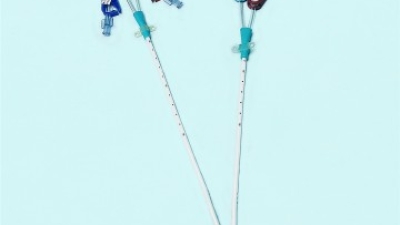
Short-term hemodialysis catheters play a critical role in maximizing patient care, especially in acute kidney treatment scenarios. These medical devices are specifically designed to provide immediate vascular access for patients experiencing acute kidney injury or requiring urgent hemodialysis. Studies indicate that approximately 20% of patients with acute kidney injury require dialysis within the first 48 hours of hospitalization, underscoring the urgent need for effective treatment solutions during this critical period. By inserting a catheter into a large Central Vein—such as the jugular, subclavian, or femoral vein—medical professionals can ensure that patients receive quick and reliable access to life-saving dialysis therapies.
The versatility of short-term hemodialysis catheters allows for their use in emergency situations and as a temporary solution while awaiting the establishment of long-term vascular access options, such as arteriovenous fistulas or grafts. According to the Kidney Disease Improving Global Outcomes (KDIGO) guidelines, timely hemodialysis intervention is essential to prevent complications associated with acute kidney injury. These complications can include fluid overload, electrolyte imbalances, and metabolic acidosis, which can significantly increase morbidity and mortality risk among patients. By utilizing short-term catheters, healthcare providers can enhance patient outcomes and streamline the treatment process, ultimately leading to better healthcare quality and improved prognoses for those affected.
In conclusion, the importance of short-term hemodialysis catheters cannot be overstated in the context of acute kidney treatment. The ability to deliver immediate, effective dialysis is essential in managing acute kidney conditions, ensuring that patients receive the vital care they need during some of the most challenging moments of their health journey.
FAQS
: A peritoneal dialysis catheter is a specialized tube inserted into the abdominal cavity that allows for the exchange of dialysis fluid, facilitating the removal of toxins and excess fluids from the body for patients with end-stage renal disease.
The key advantages include simplicity and convenience, the ability to perform dialysis at home, reduced dependence on healthcare visits, and quicker initiation with generally less invasive catheter placement compared to other methods.
The selection of catheter type impacts the frequency of complications; certain designs lead to lower rates of infection and better fluid exchange, contributing to long-term treatment success.
Important features include a design that enhances drainage and infusion, biocompatibility to minimize inflammatory responses, and the use of hydrophilic materials to increase patency rates and patient comfort.
Educating yourself about the care and maintenance of the PD catheter is vital. Proper training for patients and caregivers can help prevent complications and ensure better treatment outcomes.
It is essential to consult with healthcare providers to determine the most suitable catheter based on individual needs and health status.
Multisite catheters are designed to allow for enhanced drainage and infusion, and studies have shown they can reduce catheter-related infections by approximately 30% compared to traditional single-site options.
By facilitating at-home treatment with greater flexibility, reducing the need for frequent clinic visits, and enabling patients or their caregivers to manage the procedure, peritoneal dialysis can lead to a significantly improved quality of life.
Biocompatibility is critical as it minimizes inflammatory responses, thus ensuring the longevity and optimal performance of the catheter throughout the treatment process.
Hydrophilic materials are used in the design of PD catheters to increase patency rates, meaning they help maintain an open and functional catheter, contributing to a more comfortable treatment experience for patients.
Conclusion
Hey there! If you've ever read our blog titled "Understanding the Benefits of Peritoneal Dialysis Catheters for Patient Care," you probably noticed we’re pretty passionate about breaking down what these catheters are all about—and why they matter so much in managing chronic kidney issues. We start off by explaining the basics—what these catheters do—and then dive into some of the biggest perks, like giving patients more independence and fewer trips to the hospital. We also put together a handy guide for folks trying to figure out how to pick the right catheter for them and share some tips on how to care for it at home.
Of course, we know that some patients might worry or have questions about using a peritoneal dialysis catheter, so we make an effort to clear up those concerns and reassure you that you’re in good hands. Finally, we look to the future—checking out exciting new tech and innovations that could make treatments even better down the line. At Tianck Medical CO., Ltd., we're all about pushing healthcare forward, offering smart, reliable solutions that match the unique needs of patients everywhere.